
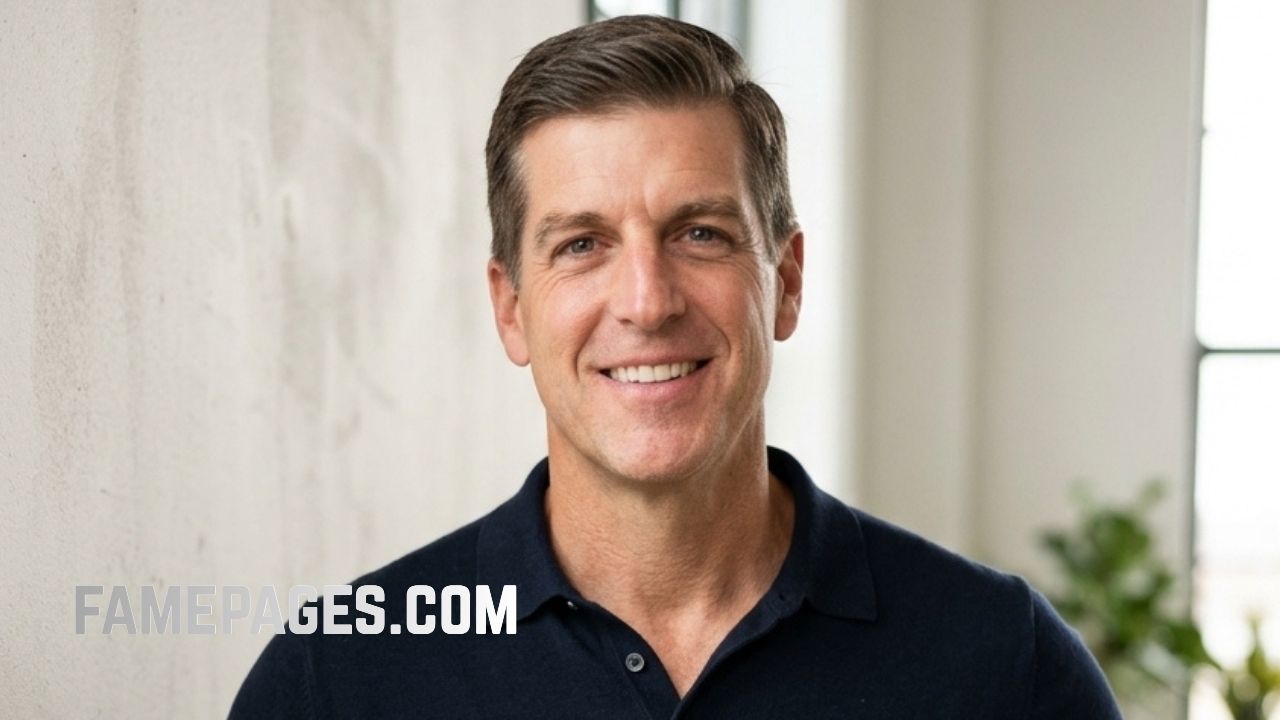
For Reynolds Wolf, weather has never been just a matter of temperatures, radar maps and approaching storm systems. Over a broadcasting career spanning more than three decades, he has built a reputation by putting the science of weather into a human context. Whether standing outside during a hurricane, reporting from the aftermath of a disaster or delivering a weekend forecast from the studio, Wolf has treated meteorology as a form of storytelling.
Today, he remains a familiar presence on The Weather Channel, where he serves as an on-camera meteorologist and co-host of America’s Weekend Headquarters. The Weather Group currently lists him among its network personalities, with the weekend program airing Saturday and Sunday mornings.
His route to national television was not a straight line. It moved through small and mid-sized television markets, additional meteorological training, years of field reporting and eventually a major role at CNN. That long progression helps explain why Wolf’s broadcasting style feels less like a presentation and more like a conversation with viewers who need to understand what is happening outside their windows.
Reynolds Wolf Built His Career Around Communication
Wolf was born in Charlotte, North Carolina, on March 16, 1970, and was raised in Jemison, Alabama. He turns 56 in 2026.
His Alabama upbringing appears to have played an important role in the way he developed as a communicator. Jacksonville State University has documented Wolf’s return to campus during his CNN years and noted that he had long viewed himself as a storyteller. The university also reported that his grandmother helped nurture that storytelling instinct while his family background gave him an early connection to aviation and weather.
That distinction matters because Wolf’s career has never been limited to forecasting. His work has repeatedly combined meteorology with reporting, interviews, travel and human-interest stories.
He graduated from Jacksonville State University in 1993. His professional résumé identifies his undergraduate education as English and History, while later records document his meteorological studies at Mississippi State University. His résumé lists a 2009 degree in Meteorology and Climatology, while The Weather Group describes him as holding a Certificate of Broadcast Meteorology from Mississippi State.
That combination of communication-oriented education and meteorological training became a defining feature of his professional identity.
The Local Television Years Were His Real Training Ground
Before viewers knew him from CNN or The Weather Channel, Wolf worked his way through a series of local television markets.
His résumé traces an unusually broad route. He began at WJSU-TV in Anniston, Alabama, in 1993, then moved to KSBY-TV in San Luis Obispo, California, KXAN-TV in Austin, Texas, WDIV-TV in Detroit, Michigan, WKMG-TV in Orlando, Florida, and eventually KMOV-TV in St. Louis, Missouri.
Each market brought a different kind of weather challenge.
Florida offered hurricanes. Michigan brought winter weather. Texas presented severe thunderstorms and heat. Other markets exposed him to floods, windstorms and rapidly changing conditions.
That experience mattered when Wolf eventually moved onto the national stage. Jacksonville State’s account of his career noted that, before CNN, he had already encountered hurricanes in Florida, blizzards in Michigan, windstorms in the heartland and thunderstorms across the Deep South.
Rather than building his reputation overnight, Wolf accumulated experience one newsroom at a time.
CNN Turned a Regional Meteorologist Into a National Correspondent
In March 2006, CNN announced that Wolf would join its weather team. At the time, he was coming from KMOV in St. Louis, where he had worked on the station’s weather team. CNN described his previous experience across several regions as an asset to its national weather operation.
The move changed the scale of his work.
At CNN, Wolf was not simply appearing in a studio to give the forecast. He became a meteorologist, field correspondent and reporter who regularly traveled to where severe weather was unfolding.
The Weather Group says his CNN assignments included coverage of wildfires, floods, tornadoes, heat waves, winter storms and earthquakes. He also reported from numerous hurricanes and tropical storms affecting the Gulf Coast, Eastern Seaboard, the Bahamas and Hawaii.
One of his most notable assignments came during the 2010 Deepwater Horizon oil disaster in the Gulf of Mexico. According to The Weather Group, Wolf spent much of the spring and summer reporting on the disaster and was the first CNN journalist to fly with the U.S. Coast Guard over the former site of the Deepwater Horizon.
His CNN work also demonstrated that his interests extended beyond the immediate forecast. CNN transcripts show him reporting on people and their stories, including a 2009 feature about a Navy veteran and cancer survivor returning to college late in life.
Those assignments helped establish Wolf as more than a television weather presenter. He was becoming a general-interest broadcaster whose specialty happened to be meteorology.
Storm Coverage Put His Reporting Skills to the Test
Severe weather is where television meteorology becomes particularly demanding.
Forecast information has to be accurate, but it also has to be understandable. During a hurricane or tornado outbreak, viewers may be making decisions about evacuation, travel, shelter or family safety based partly on what they hear.
Wolf’s career repeatedly placed him in that environment.
A CNN transcript from 2011, for example, shows him reporting live from Gulf Shores during a tropical weather event while assessing wind conditions, rainfall and flooding risks across the region.
The Weather Group’s description of his career similarly emphasizes his field reporting from hurricanes, floods, tornadoes and other major weather events.
The result is a professional style grounded in experience. Wolf has spent years explaining dangerous conditions while standing close enough to them to understand their physical reality.
That proximity can change the way a meteorologist communicates. A storm stops being an abstract shape on a radar screen and becomes something affecting roads, homes, businesses and families.
The Weather Channel Became His Long-Term Home
Wolf’s CNN chapter ended in 2012, but his national television career continued almost immediately.
He made his Weather Channel debut during coverage of Hurricane Isaac in August 2012, and his professional résumé records his Weather Channel work beginning in November of that year.
The move was a natural fit.
At The Weather Channel, Wolf could combine the two sides of his career: meteorological expertise and field storytelling. His official profile identifies him as an on-camera meteorologist and co-host of America’s Weekend Headquarters.
The role also reflects the evolution of television weather programming. Modern weather broadcasting is not limited to reading a seven-day forecast. It involves explaining severe weather, translating technical information, speaking with people affected by conditions and finding stories that help audiences understand the environment around them.
Wolf has spent much of his career operating in precisely that space.
The Storyteller Behind the Forecast
One of the more revealing aspects of Wolf’s professional identity is his interest in stories outside traditional weather coverage.
His professional biography highlights a Father’s Day feature involving fly-fishing with his late father in Yellowstone. His interest in fly-fishing is also documented in CNN programming, where he discussed taking up the hobby and traveled to Colorado to explore the sport.
The connection between those interests and his career is easy to see.
Fishing, outdoor recreation and weather all depend on understanding nature. They require attention to changing conditions, patience and respect for forces that cannot be controlled.
The Weather Group describes Wolf as a fly-fishing and fitness enthusiast and a married father of four. The profile also notes that he spends his free time with family, exercising and enjoying the outdoors.
His personal life has generally remained less public than his professional one. Public biographical sources identify his wife as Erin Cogswell Wolf and report that the couple has four children.
That relative privacy is consistent with the broader shape of Wolf’s public identity. His television career is highly visible, but he has not built his reputation around celebrity for its own sake.
Why Reynolds Wolf Still Matters in Television Weather
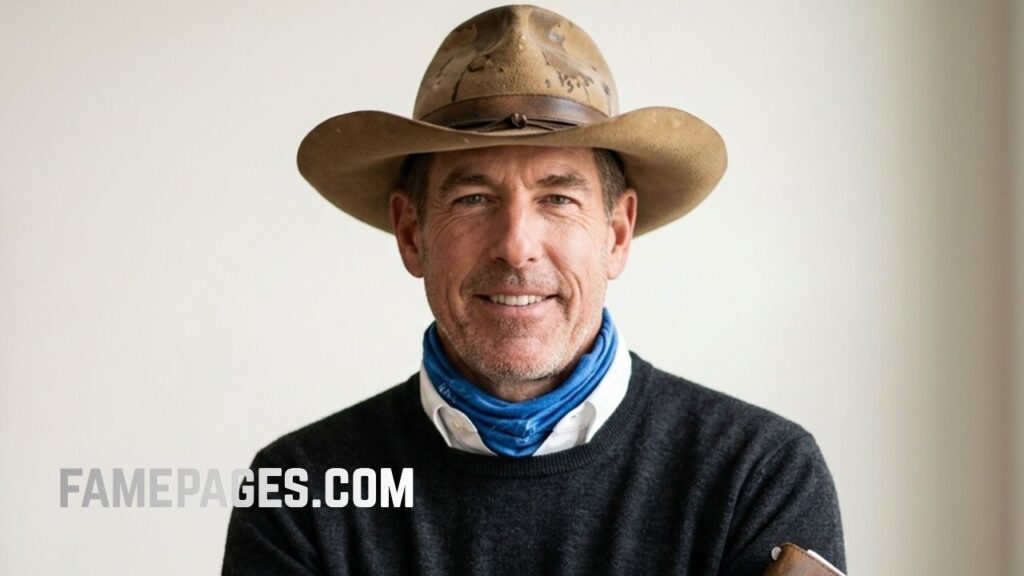
The enduring appeal of Reynolds Wolf is partly about longevity, but longevity alone does not explain his place on The Weather Channel.
His career has moved through nearly every level of broadcast meteorology. He learned local television, worked across different climates, developed additional meteorological expertise, joined CNN, reported from major disasters and eventually established a long-running role at The Weather Channel.
The Weather Group still lists him as an active on-camera meteorologist and co-host of America’s Weekend Headquarters.
That continued presence is significant in an era when television personalities often move rapidly between platforms. Wolf’s career instead demonstrates the value of accumulated experience.
When a severe storm develops, viewers do not simply need someone who can identify a weather system. They need someone capable of explaining what the system means for ordinary people.
That has been one of Wolf’s most consistent strengths.
Biography Snapshot
| Fact | Details |
|---|---|
| Full name | Reynolds Scott Wolf (@reynoldswolf) |
| Born | March 16, 1970 |
| Birthplace | Charlotte, North Carolina |
| Raised in | Jemison, Alabama |
| Age in 2026 | 56 |
| Education | Jacksonville State University; Mississippi State University |
| Profession | Meteorologist, journalist, television personality |
| CNN | Joined weather team in 2006 |
| The Weather Channel | Joined in 2012 |
| Current role | On-camera meteorologist and co-host of America’s Weekend Headquarters |
| Wife | Erin Cogswell Wolf |
| Children | Four |
| Professional interests | Weather, field reporting, fly-fishing, fitness |
The career and education details above are drawn primarily from Wolf’s professional biography, The Weather Group, Jacksonville State University and his published résumé.
Frequently Asked Questions
Who is Reynolds Wolf?
Reynolds Wolf is an American television meteorologist and journalist known for his work at CNN and The Weather Channel. He currently serves as an on-camera meteorologist and co-host of America’s Weekend Headquarters.
How old is Reynolds Wolf?
Reynolds Wolf was born March 16, 1970, making him 56 years old in 2026.
Where was Reynolds Wolf born?
He was born in Charlotte, North Carolina, and was raised in Jemison, Alabama.
Where did Reynolds Wolf go to college?
Wolf graduated from Jacksonville State University in 1993. He later studied meteorology and climatology at Mississippi State University.
Did Reynolds Wolf work for CNN?
Yes. Wolf joined CNN’s weather team in 2006 and worked there as a meteorologist and field correspondent before moving to The Weather Channel in 2012.
When did Reynolds Wolf join The Weather Channel?
Wolf joined The Weather Channel in 2012 and first appeared there during Hurricane Isaac coverage in August of that year.
Is Reynolds Wolf married?
Yes. Public biographical sources identify Erin Cogswell Wolf as his wife. The Weather Group describes Wolf as a married father of four.
What is Reynolds Wolf known for?
He is best known for television meteorology, particularly his work covering hurricanes, tornadoes, floods, wildfires, winter storms and other severe-weather events for CNN and The Weather Channel.
Related Reading
Final Thoughts
Reynolds Wolf’s career is a reminder that successful television meteorology requires much more than knowing what the atmosphere is doing.
His path began in local newsrooms and moved through a remarkably varied collection of American television markets before reaching CNN and, eventually, The Weather Channel. Along the way, he learned how to forecast, report, interview, travel and communicate when conditions were changing quickly.
That combination remains the defining feature of his professional identity.
Wolf has spent decades standing between complicated scientific information and the people trying to make sense of it. His greatest contribution may not be any single storm he covered, but the consistency with which he has turned weather into something viewers can understand.
For a career built around forces that are constantly changing, that ability to remain clear, credible and useful may be his most enduring achievement.




One thought on “Reynolds Wolf: The Meteorologist Behind the Forecast”